The streets of London burst with colour as spring turns the city into a lively mix of red and white. Now, this isn’t just another festival – it’s a deep-rooted moment of joy, rooted in heritage Enduring strength, marking the start of Shubho Noboborsho. The 2026 event feels louder, bolder, bringing together distant Bengali families and food lovers hungry for real taste. Traditional songs fill the air, matched by the steady beat of dhak drums, and street stalls serve up familiar dishes that stir memories. People gather first on pavements, then settle at tables where conversation flows like tea. At BKC, guests are welcomed with genuine care, sipping chai. Share stories that echo across generations, while generally, it’s not about spectacle – it’s about belonging found through food and song.
Pohela Boishakh celebrates the start of Boishakh, the first month in the Bengali solar calendar. As it happens, the festival began as part of farming routines and the opening of ‘haalkhata’ ledger books used in village accounts. Now, it stands as a living expression of Bengali culture beyond borders. The Boishakhi Mela London 2026 will be at the heart of festivities, drawing crowds to places like Brick Lane and Victoria Park – one of the biggest such events outside South Asia. A grand parade rolls through with towering puppets, handmade masks, and dancers wearing vibrant clothes. Live music spills from cultural stages, bringing Rabindra Sangeet and folk songs that carry deep echoes of Bengal’s past. Street food stalls hum with heat Smell – frying onions, garlic, mustard oil filling the air. It ends up being more than just celebration, and families meet up across ages, reconnecting with traditions. Also, it also shows their rich heritage to neighbours in London.
A shared meal kicks off genuine connection at street festivals. That warmth comes from places that know how deeply a New Year feast holds cultural importance. BKC isn’t simply about food – it’s built around community life. The atmosphere in marble Arch and soho during Pohela Boishakh feels alive, drawing both locals and guests. People gather not just to dine, but to share moments that echo beyond plates. Really, these spaces become more than venues, and they’re woven into the fabric of festive London living.
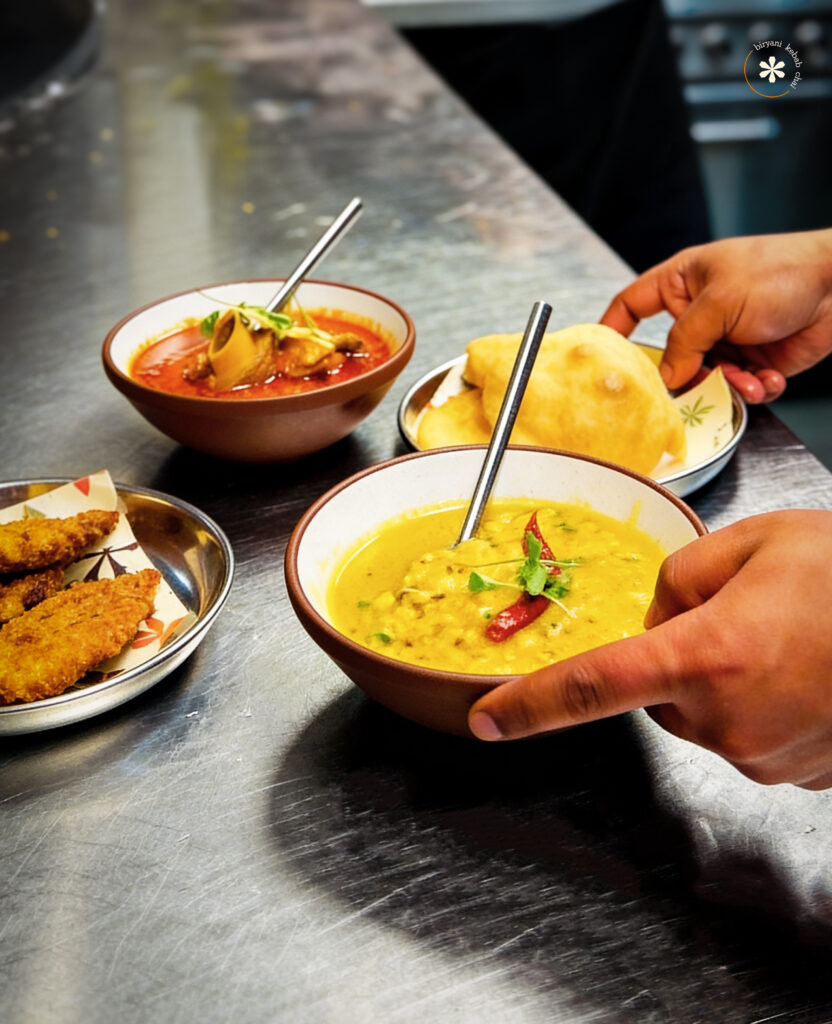
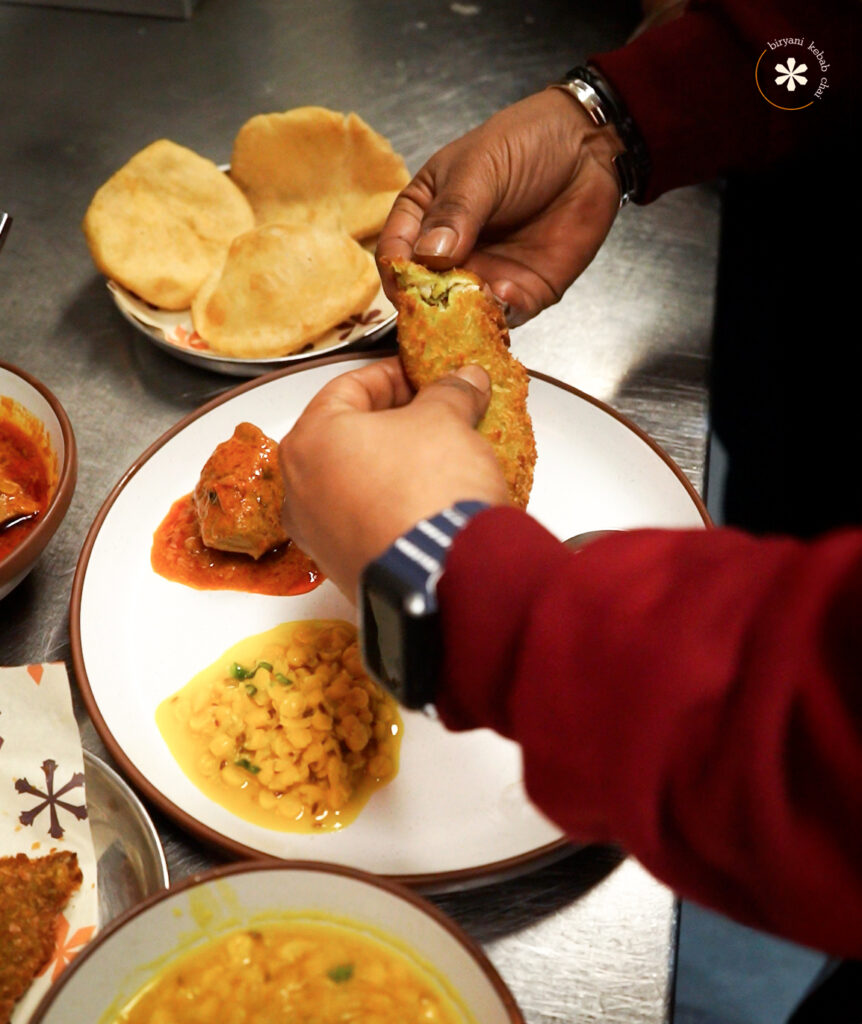
While our heritage is deeply rooted in the Awadhi traditions of Lucknow, we recognize the shared culinary DNA between the grand kitchens of the Nawabs and the festive tables of Bengal. To celebrate Pohela Boishakh, we emphasize dishes that resonate with the Bengali palate.
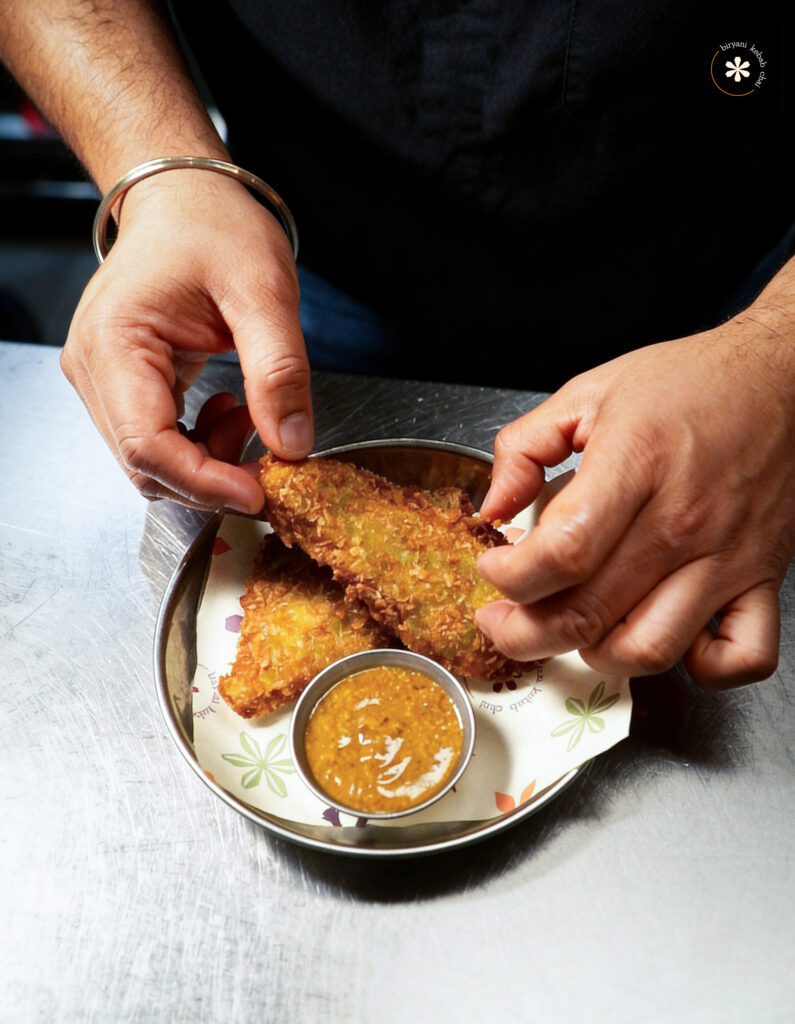
The sweet finish begins with a mishti, a tradition that sets a hopeful tone for the new year in Bengali homes. As it happens, this gentle sweetness mirrors how the day opens in many households across Bengal. As our roots stretch deep into the Awadhi traditions of Lucknow, there’s a strong connection in flavour and ritual between the nawab’s grand kitchens and modern Bengali feasts. Our biryanis follow the dum Pukht method, where grains soak slowly in spice-infused steam, just like in a classic Noboborsho dinner. That said, the meal doesn’t start with heavy fare; instead, lightly spiced fish and tender kebabs take centre stage as an opening flourish before the main courses. A steaming cup of chai completes the experience, adding warmth and balance to both taste and mood.
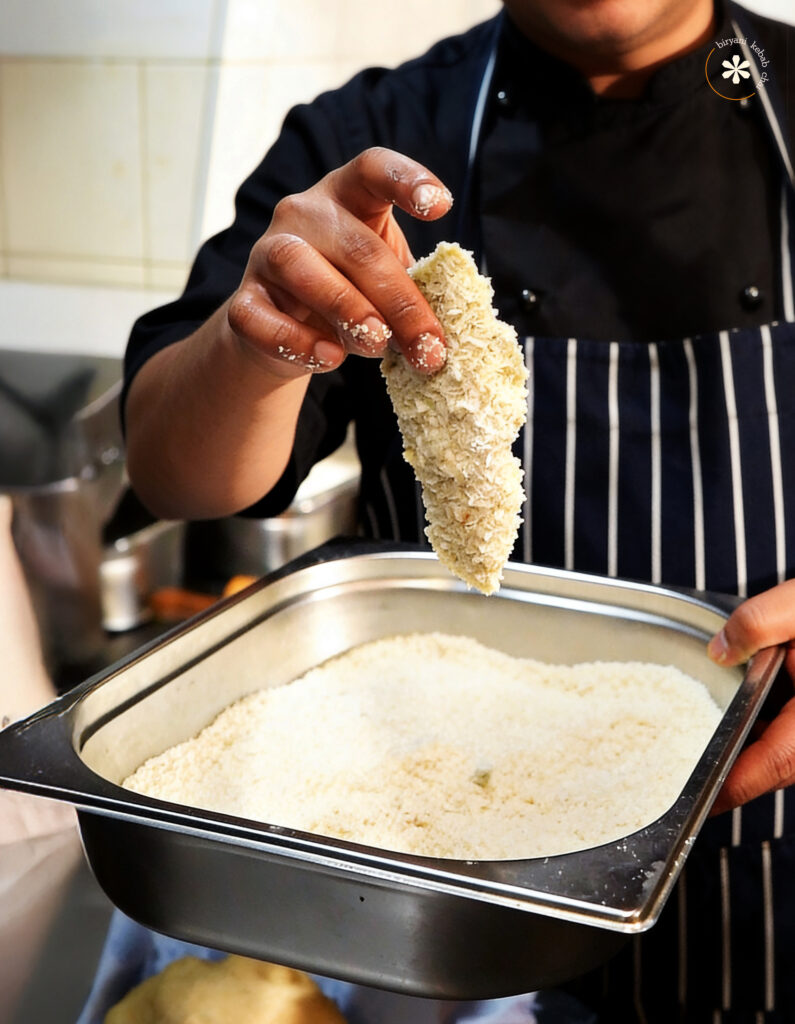
The dining room fills with laughter as elders recount old festivals. That happens because people turn to places like BKC when they need warmth after hard years. The space blends traditional East Indian design with modern comfort. Creating a feel that’s familiar yet alive. At the table, stories of childhood feasts mix with the scent of kebabs. Making memories and present moments collide, plus families arrive not for food alone but to reconnect in a low-key setting where conversation flows without rushing. New year rituals are honoured by choosing fresh spices, crisp vegetables, a direct reflection of clearing the old and embracing change. Meals aren’t about speed, and they’re built for pause, for hearing someone speak clearly, for building trust across generations. Even small things, a shared smile, the way light falls on wooden beams – carry weight during this season.
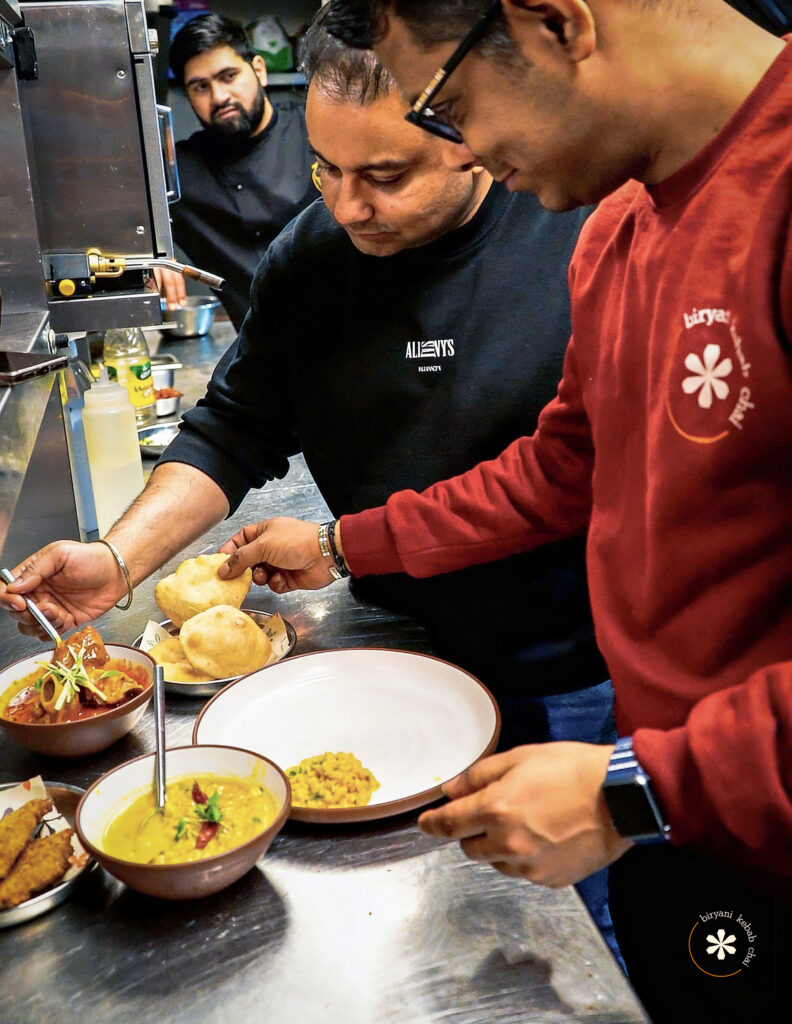
Through the streets of tower Hamlets, the air fills with music and colour as the Bengali New Year rolls around in 1433 (Bengali new year). Early on, the mela kicks off with vibrant parades and folk acts that stay alive throughout the day. People show up wearing red and white – women in Lal (Red) Paar sarees, men in neat Panjabis – making every moment feel deeply rooted in tradition. The festival scenes swell fast, so places like BKC get packed during big celebrations. Booking a table ahead ensures one doesn’t miss out on a proper feast at the right time. At least in theory, dressing up turns attendance into something personal rather than just passing through. A bit of effort goes a long way when culture’s being shared openly.
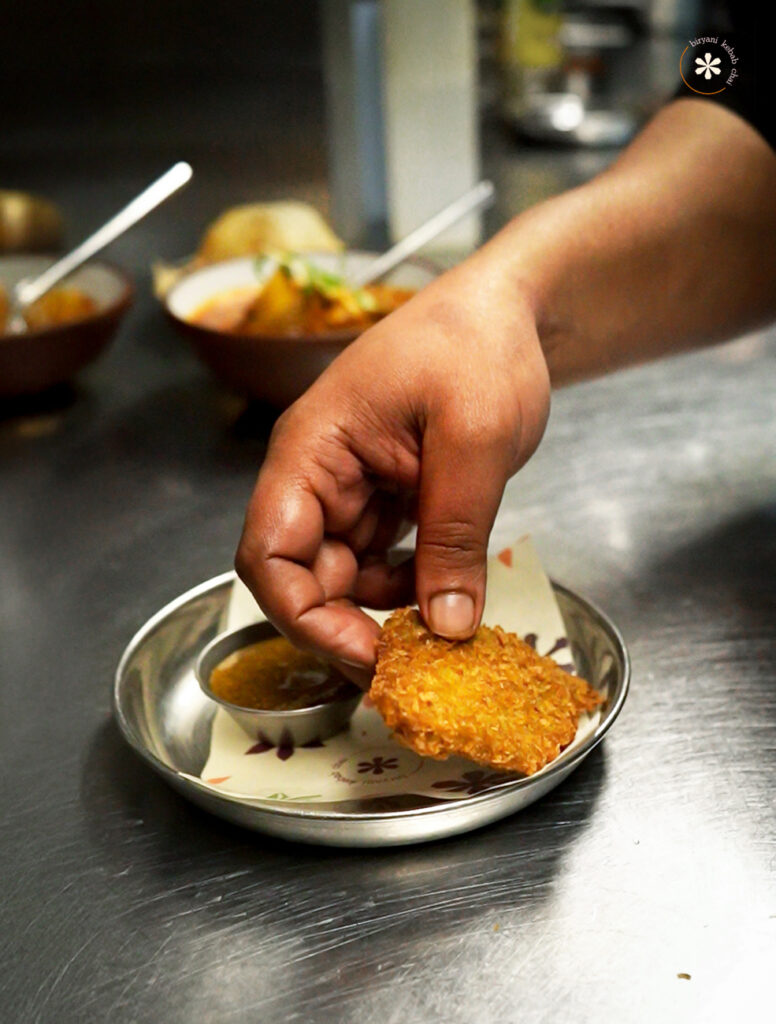
The feasting starts at noon, under the beat of the dhak, as golden lanterns flicker outside. For those born in bengal or newly curious about its rhythms, the streets burst alive with songs and spice-scented air. Pohela Boishakh unfolds not just through food, but through shared stories passed down through generations. At BKC, traditional dishes are served exactly how they’ve been for decades, curry-heavy, fragrant, and bold. One brings the memories, the smiles, and the quiet hopes for change. The atmosphere hums with movement and colour more or less throughout the day. Still, no one rushes – there’s time to sit, breathe, and listen, and Shubho Noboborsho to everyone here today.
Ultimately, the beauty of celebrating the Bengali New Year in a city like London is the realization that traditions are not fragile; they travel and transform without losing their core. At BKC, we see Pohela Boishakh as a bridge between the historical grandeur of the past and the vibrant energy of the present. Whether you are performing the rituals of the Haalkhata or simply enjoying the company of old friends, the act of gathering is what makes the year truly new. As you step out from our doors back into the bustling streets of London, we hope you carry with you the warmth of our hospitality and the lingering spice of a meal prepared with heart. This festival is a reminder that no matter how far we wander, the flavors of home and the spirit of community are never truly out of reach. We are honored to be a part of your journey into this new chapter and look forward to many more years of shared stories and successful beginnings.